Technology
A rigid PCB is a circuit board built on a rigid base layer that cannot bend, while a flexible PCB, also called a flex circuit, is built on a flexible base capable of bending, twisting and folding. Our High-End Services. Our list of offerings includes Multi-Layer, Flex, Rigid, and Rigid-Flex PCB designing.
By offering BGA/Micro BGA design services, we provide clients with efficient and compact solutions for their electronic devices. Ball Grid Array (BGA) packaging allows for higher connection density, reducing the PCB footprint. This is particularly beneficial for miniaturized electronic products where space is a premium. The use of Micro BGA components further enhances the design flexibility, enabling the creation of more intricate and feature-rich circuit layouts.
Our HDI design services offer advanced technology for high-density interconnects. These services cater to the growing demand for compact and efficient electronic devices. With our expertise, clients can achieve superior performance and reliability in their products.
Having good knowledge in EMI/EMC design is essential for ensuring that electronic devices can operate without interference. This expertise allows for the proper management of electromagnetic interference, which can affect the performance and reliability of electronic systems. By understanding EMI/EMC design principles, engineers can develop products that meet regulatory requirements and perform efficiently in various environments.
Our high-speed design services offer rapid and efficient solutions for your project needs. With quick turnaround times, we ensure timely delivery of high-quality designs. From concept to completion, our team is dedicated to providing top-notch services tailored to your specific requirements. Partnering with us means accessing a wealth of expertise and resources for a streamlined design process. Matching impedance traces is crucial in ensuring optimal signal integrity in high-speed circuit designs. Our experts excel in this task, ensuring that impedance levels are precisely aligned to minimize signal reflections and distortion. This attention to detail is essential for maintaining the integrity of data transmission and preventing signal loss in complex circuit layouts.
Offering a wide range of PCB interfaces ensures compatibility with various electronic devices, enhancing the versatility of your products. Having experience with below various interfaces allows us to design more intuitive and user-friendly products. This familiarity helps in creating interfaces that are easy to navigate and understand. DDR4/3/2 , LPDDR HDMI , Ethernet ,USB, Bluetooth ,SD/eMMC
The selection of a serial communication protocol in PCB design depends on various factors, including data rate, distance, power consumption, and specific application requirements. Protocols often used in PCB designs include RS-232,I2C , SPI ,UART ,CAN.
A mesh network, devices are interconnected, allowing for multiple paths between nodes. This redundancy enhances reliability.
A star network features a central hub that connects all devices. This centralized structure simplifies management and troubleshooting.
In a ring network, each device is connected to exactly two other devices, creating a circular data path. This design is efficient but can be prone to failure if one link breaks. Different routing topologies offer unique advantages and challenges, making them suitable for various network scenarios.
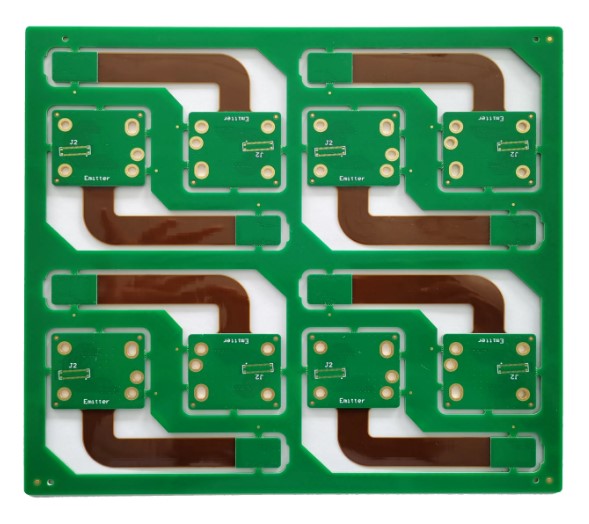
1 Layout capabilites
1.1 Type of the boards:
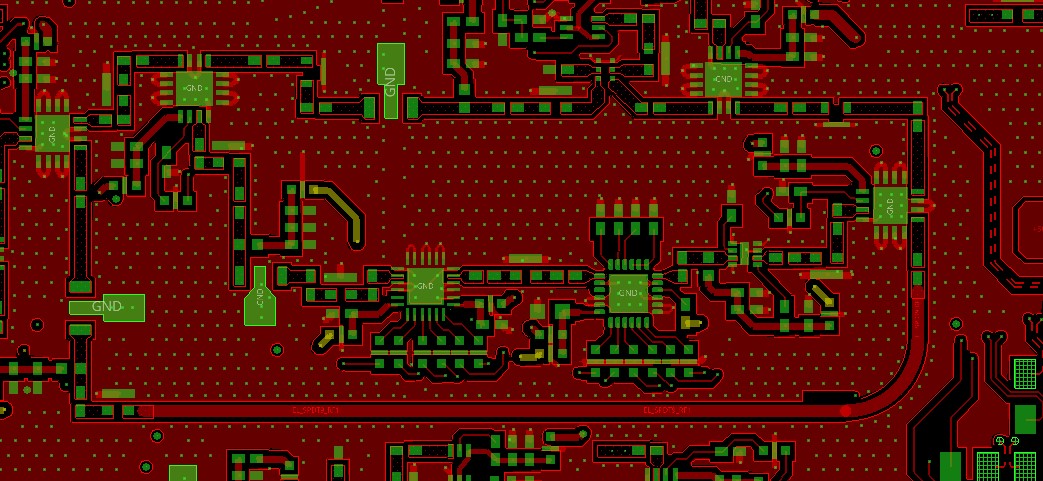
1.2 Technology
BGA / Micro BGA
HDI Design
EMI / EMC Design
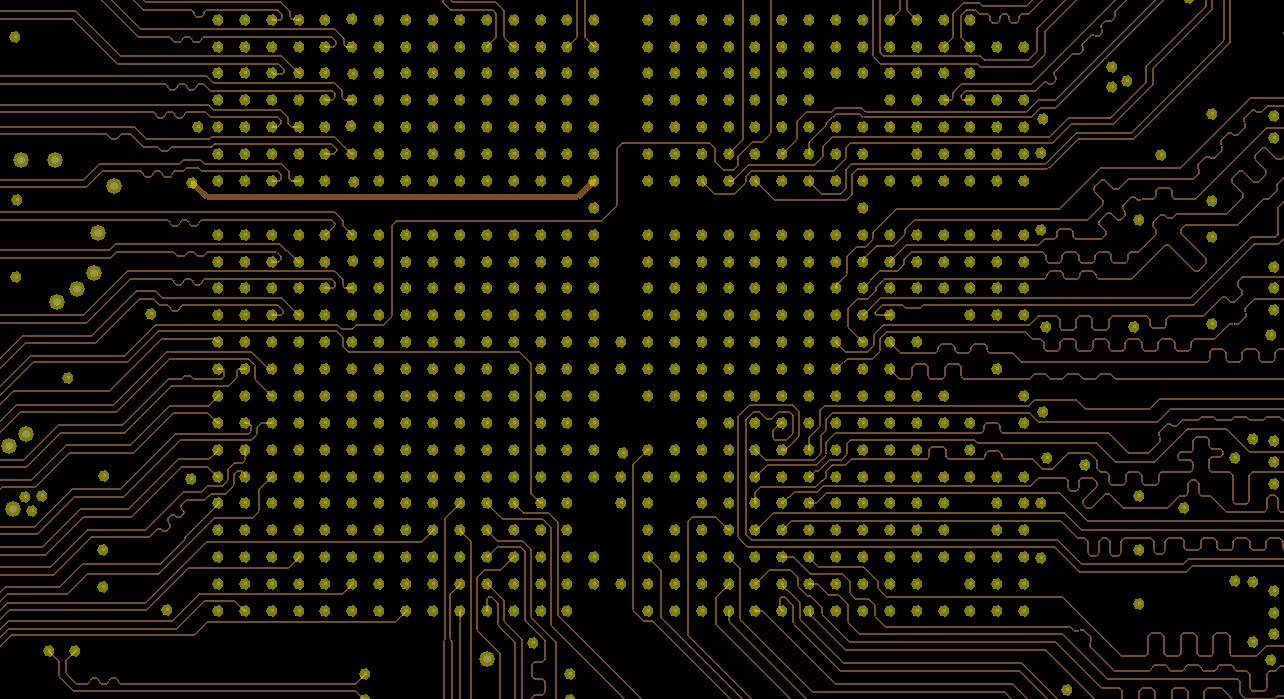
1.3 Advance routing
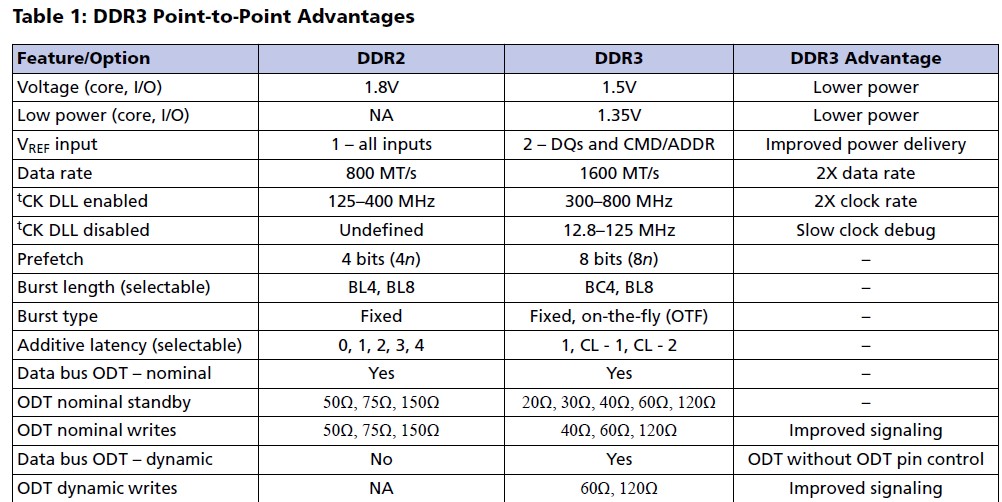
2 Technology Expertise
2.1 Interfaces

2.2 Protocol
2.3 Various Routing Topologies
Mesh Topology
Star Topology
Ring Topology

Ph : +91 7975418531
Email: Info@siarvinpcb.com
Contact Us
Great things in business are never done one. They're done by a team of people.
Need Help?
Email us directly
Info@siarvinpcb.com
Call us directly
+91 7975418531
Social Network

This website uses cookies to improve your web experience.